In quiet streets and timeworn walls, Half Moon Bay carries the weight of memory—of voices long gone, and the slow, steady rhythm of a town that remembers.
This photo series explores the layered history of Half Moon Bay, California—a town whose roots trace back to the 1700s and the native Ohlone people who first called this land home. Over the centuries, Half Moon Bay has been shaped by waves of change, from European and Mexican settlers seeking fortune, to the economic struggles of the Great Depression, and the transformative presence of World War II. Through my lens, I set out to capture the unique way this town honors its past while embracing the present. From the weathered walls of the original two-cell jail to the modern cafés built atop historic foundations, Half Moon Bay tells its story in both preserved architecture and evolving community spaces. This series invites viewers to see how history is not just remembered—but lived. By walking these streets, photographing its saloons, storefronts, and small details, I hope to reveal the spirit of a town that has never forgotten where it came from.
Ultimately, this project encourages a deeper appreciation for the small towns around us—places where rich histories often hide in plain sight, waiting to be noticed.
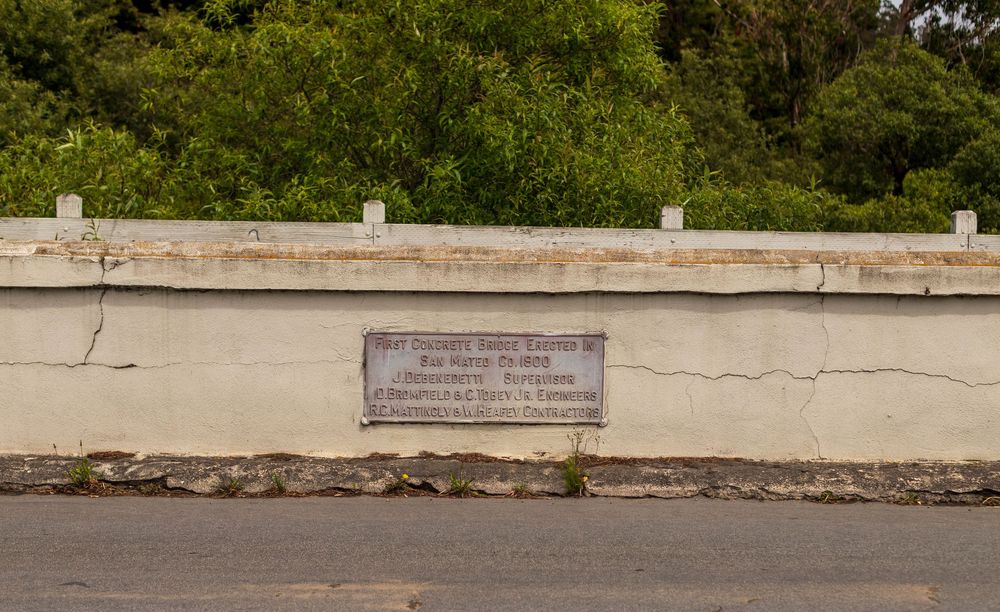
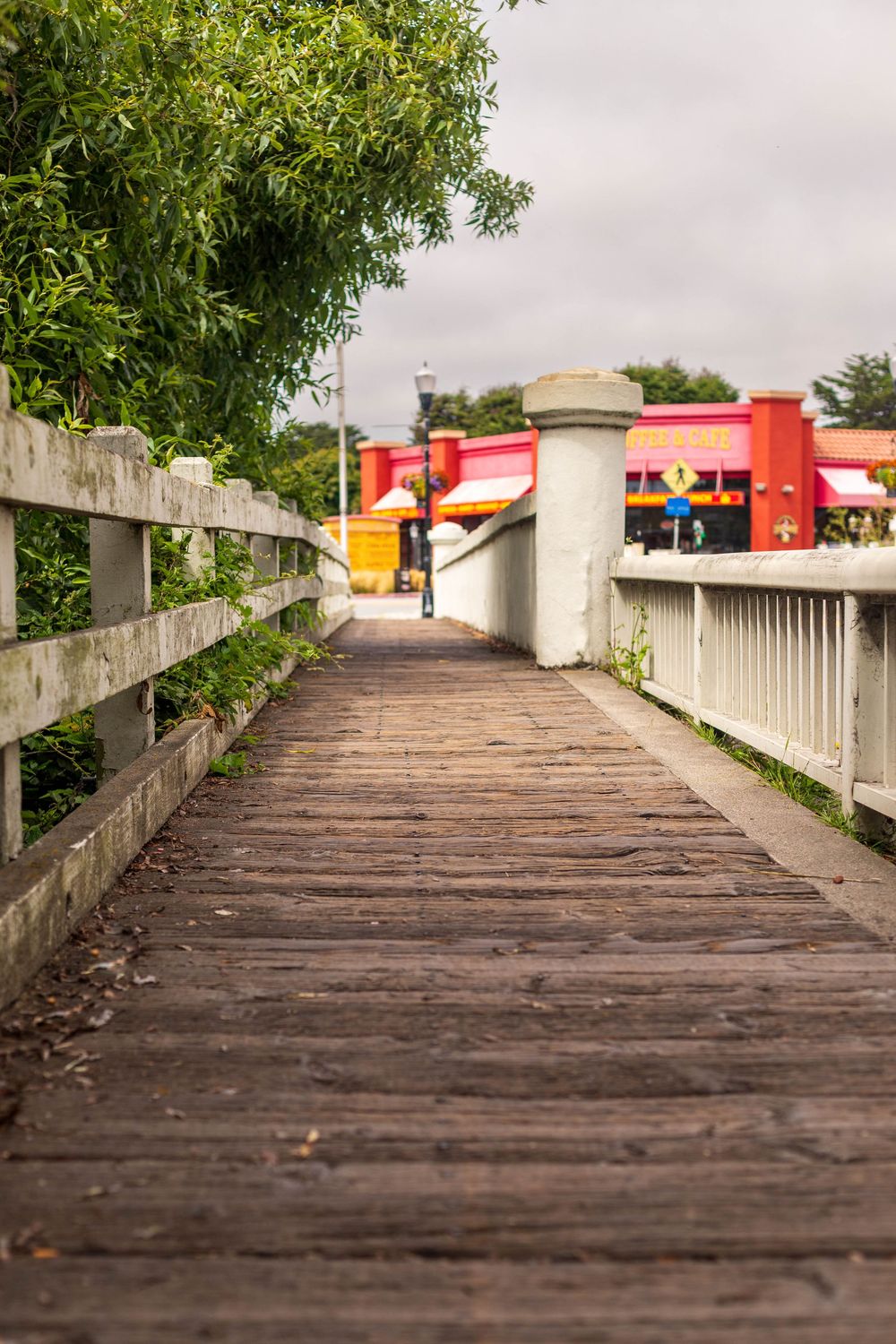
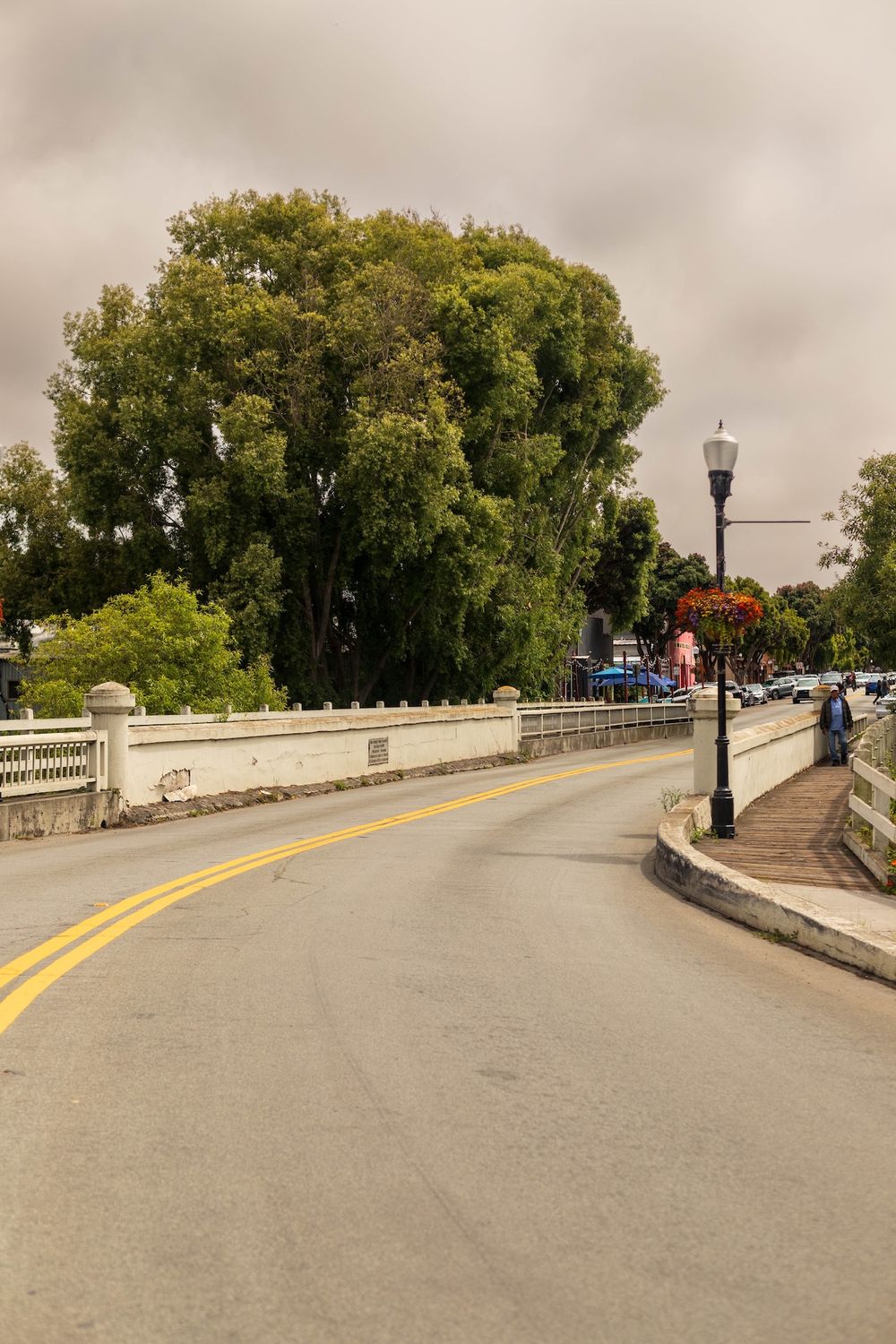
Bridge on Main Street (300 Main St.)
Once the gateway to town in the 1800s, the Main Street Bridge still stands—quietly welcoming all who cross into the heart of Half Moon Bay.
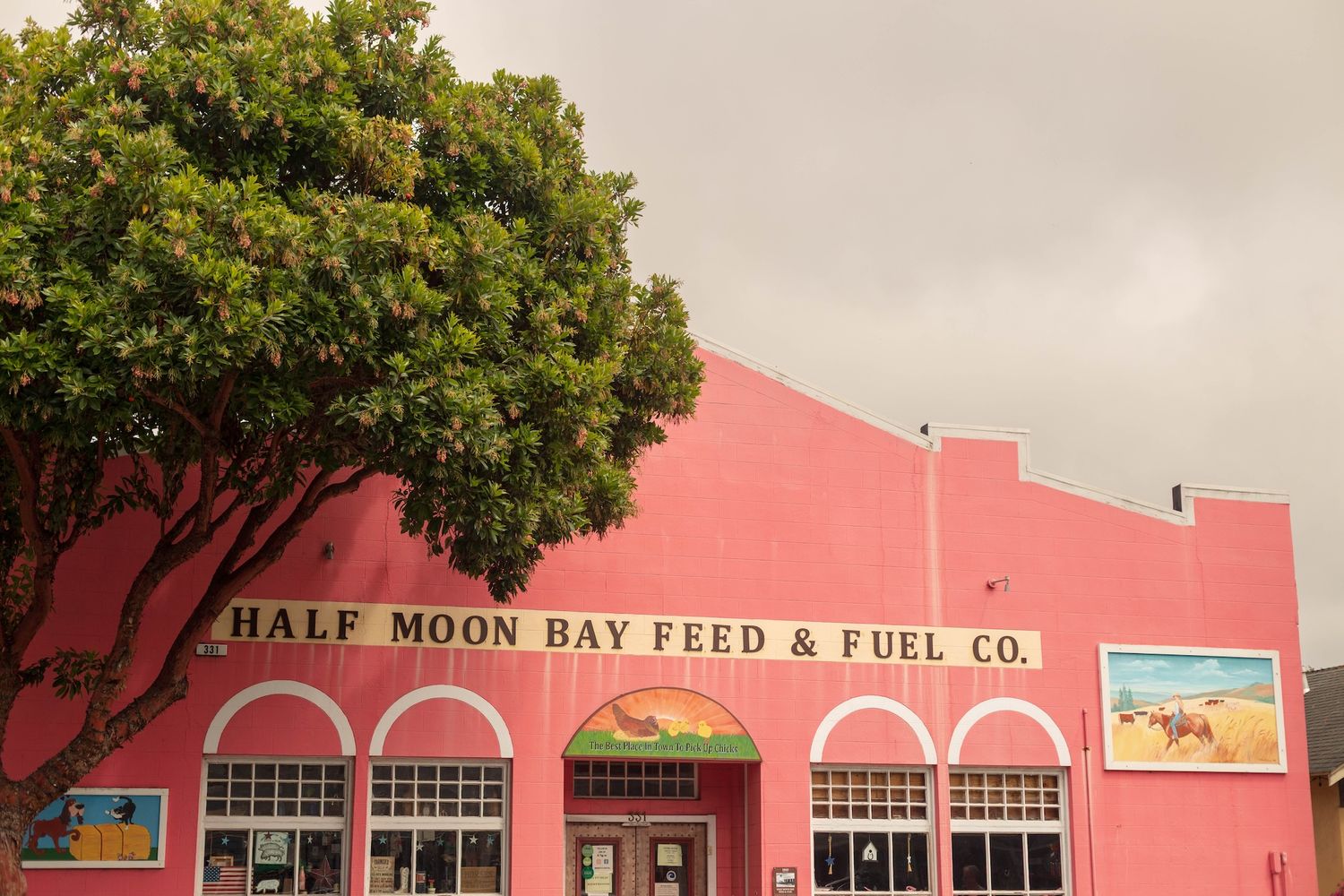
Half Moon Bay Feed & Fuel (331 Main St.)
Founded as a farm supply emporium in 1911, this site’s roots run even deeper. Originally opened in the 1860s as a tavern by John Bidwell—one of the first Anglo-American settlers in the area—the original structure was lost to fire and rebuilt in 1959. Today, it stands as a quiet witness to the town’s resilience and evolution, where history lingers behind every wooden beam.
Francis Building (95 Kelly Ave.)
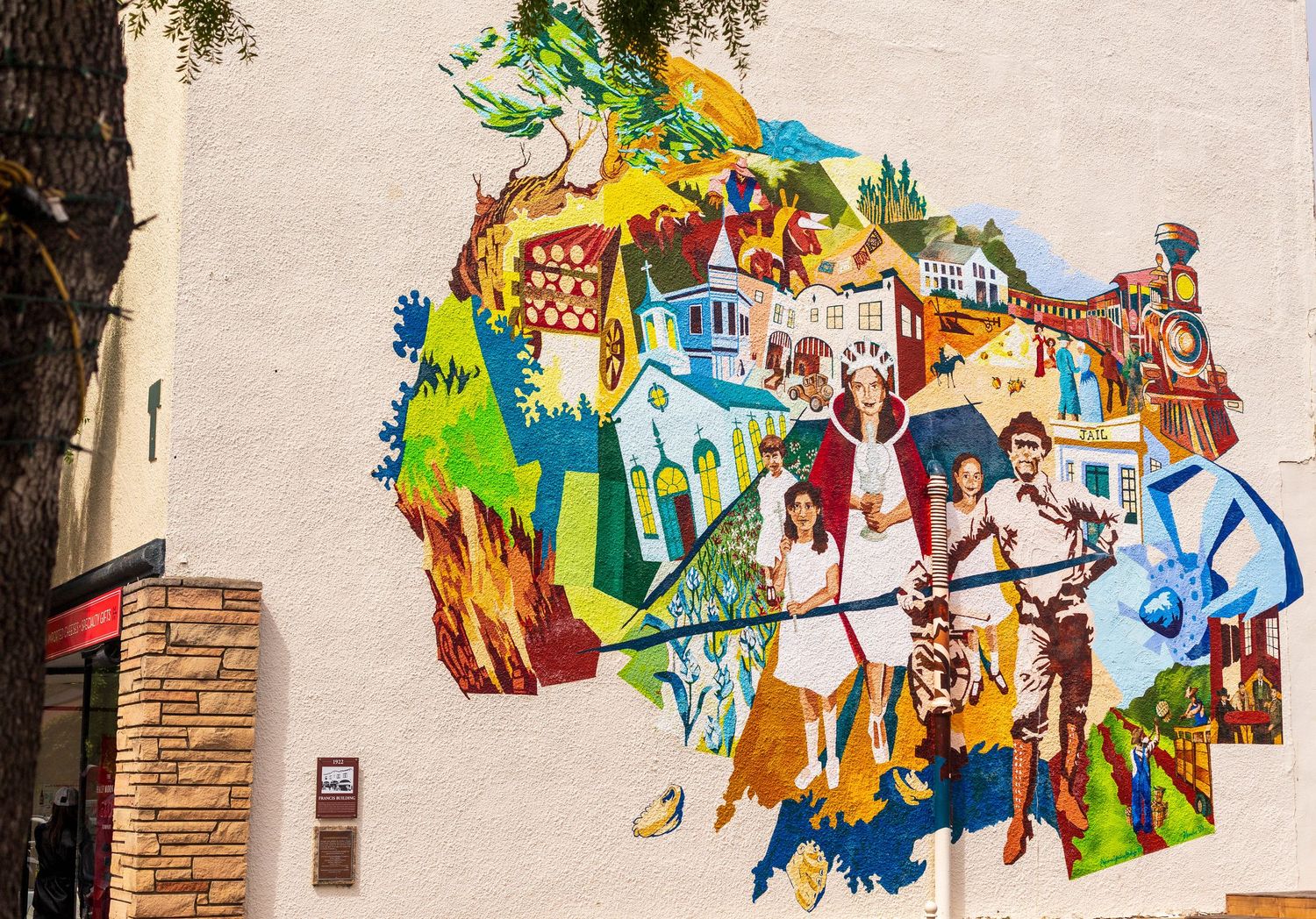
Constructed by Portuguese immigrants Manuel and Louisa Francis, this building has stood at the heart of Half Moon Bay since 1922. The couple made their home on the second floor while running a store below—rooting both their livelihood and legacy in the same place. A quiet testament to immigrant resilience, the Francis Building continues to echo the spirit of those who helped shape the town.
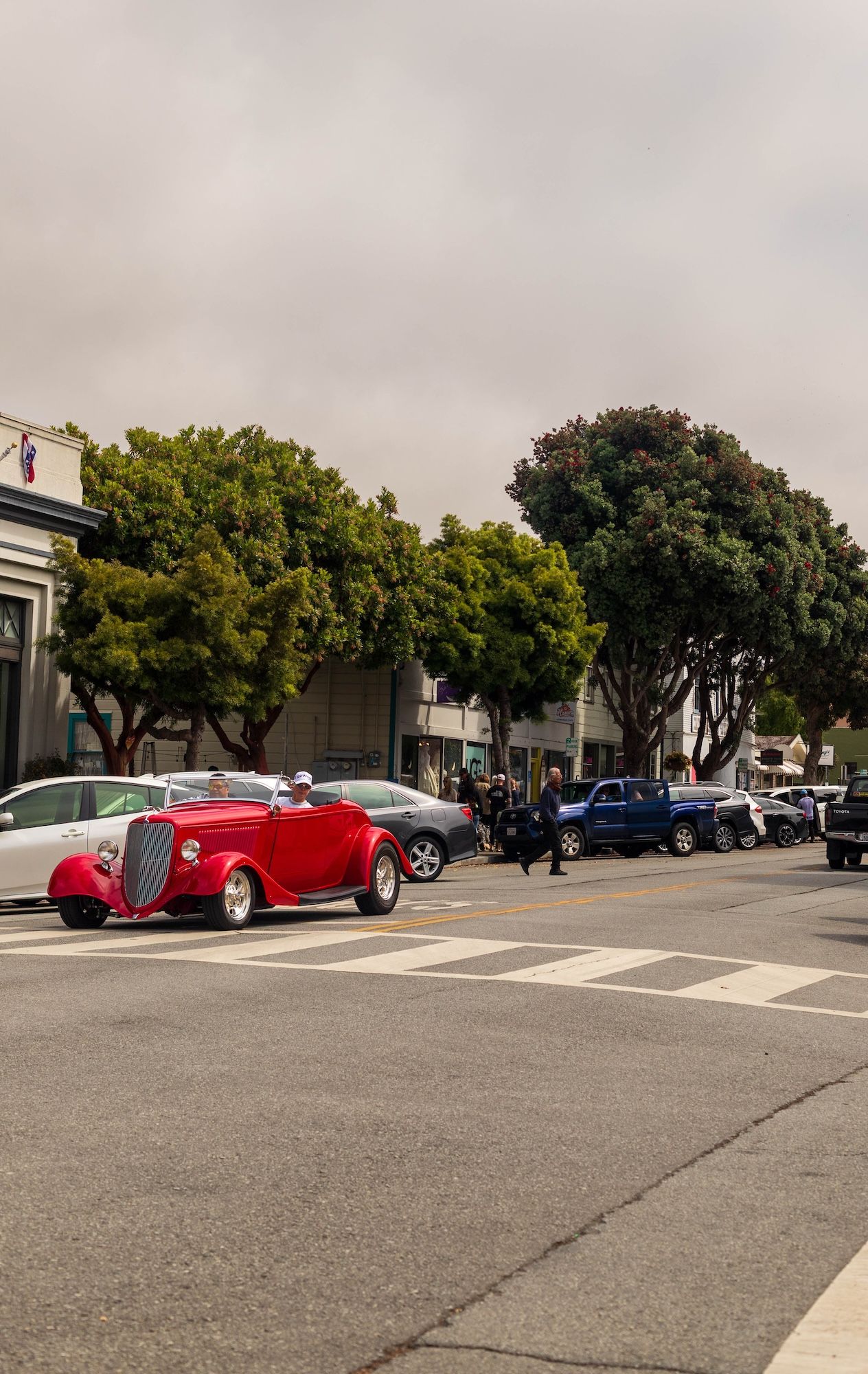
Classic Cars on Main Street
A bright red memory driving in the present—this vintage car feels right at home on Main Street, where the past never quite lets go.
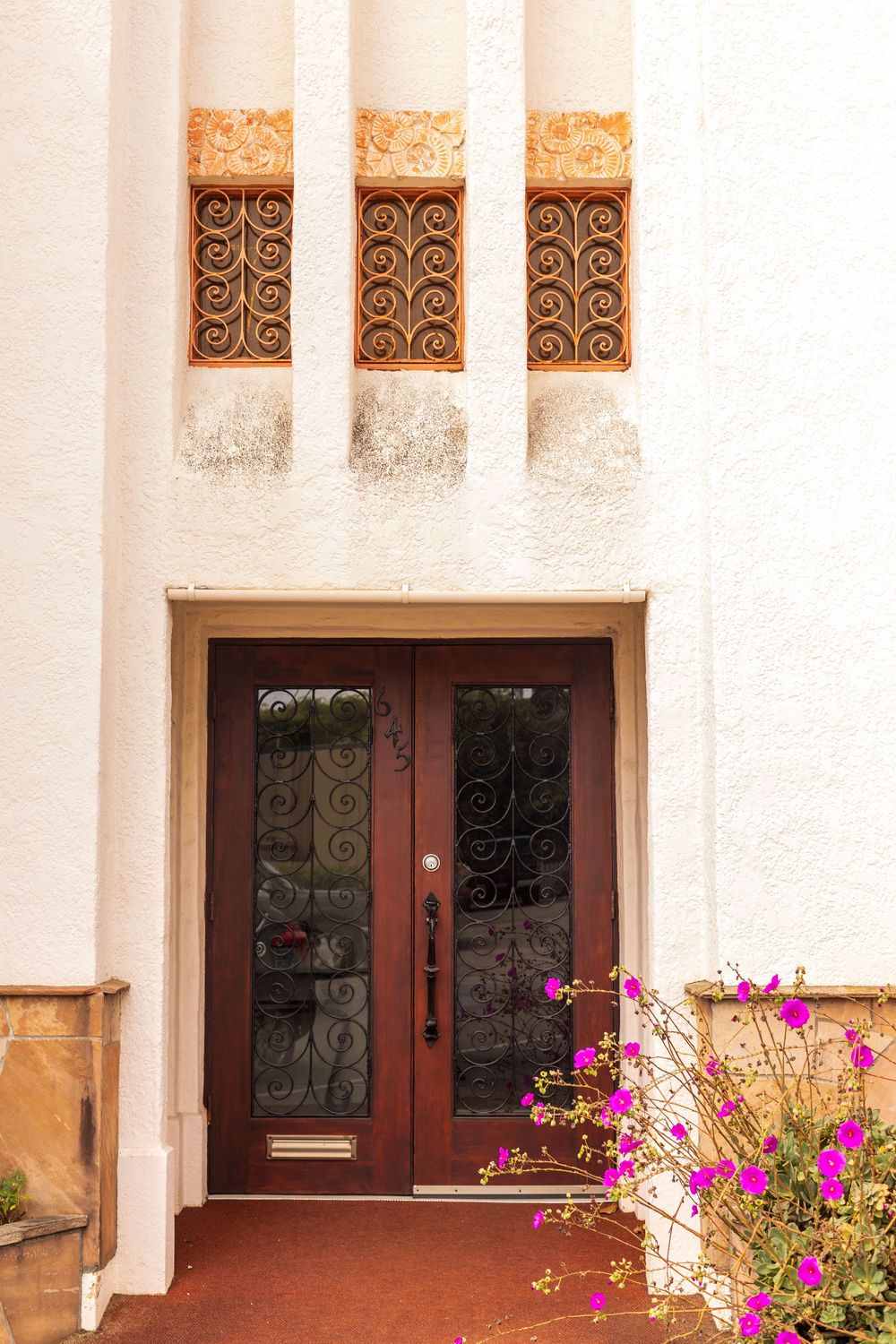
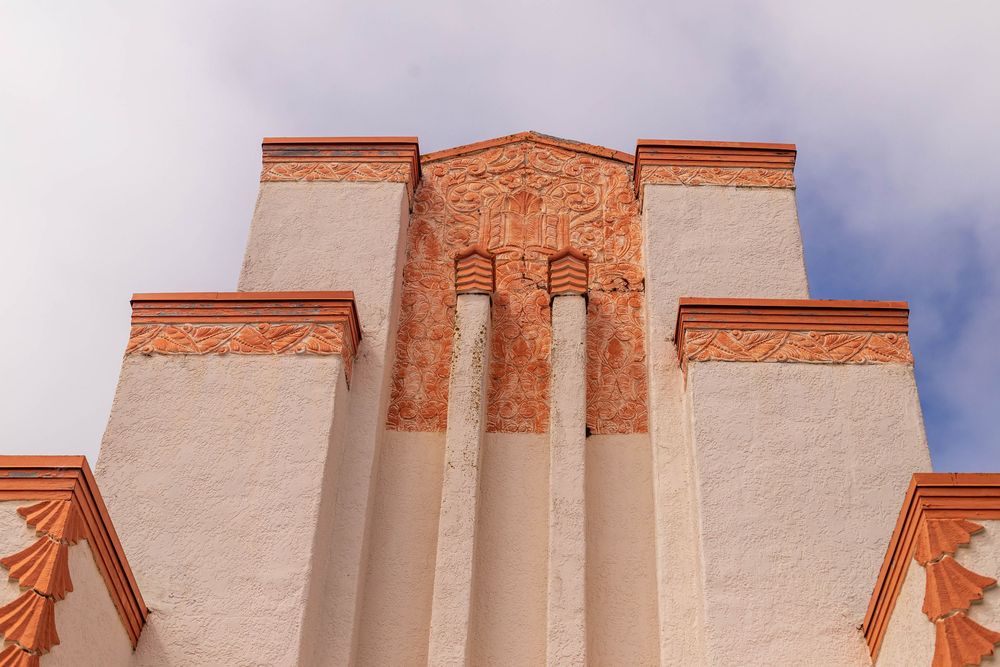
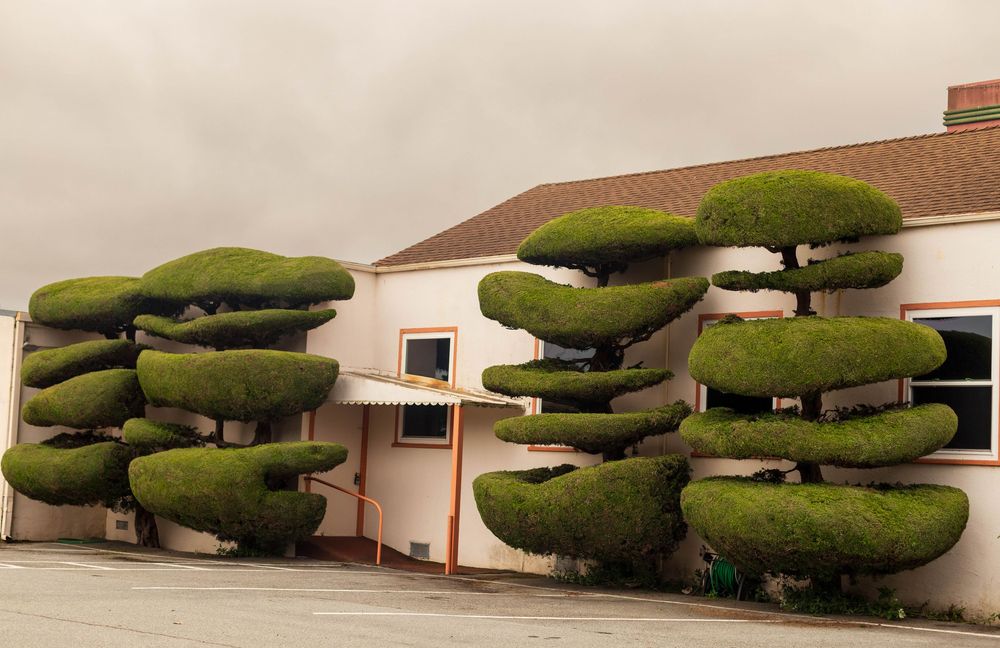
Miller-Dutra Funeral Parlor (645 Kelly Ave.)
Opened in 1905 and still standing, the Miller-Dutra Funeral Parlor is one of Half Moon Bay’s longest-serving establishments. More than just a building, it holds generations of quiet farewells and reflects the town’s deep-rooted traditions of care, community, and continuity.
Occidental Hotel Annex(330 Main St.)
Originally part of the grand Occidental Hotel built in the 1860s at the corner of Kelly Avenue and Purissima Street, the annex once welcomed stagecoach travelers arriving from San Mateo and beyond. Though the main three-story hotel burned in 1894 and was later demolished—repurposed as a post office until the 1990s—the annex survives as a silent witness to Half Moon Bay’s early hospitality and community growth
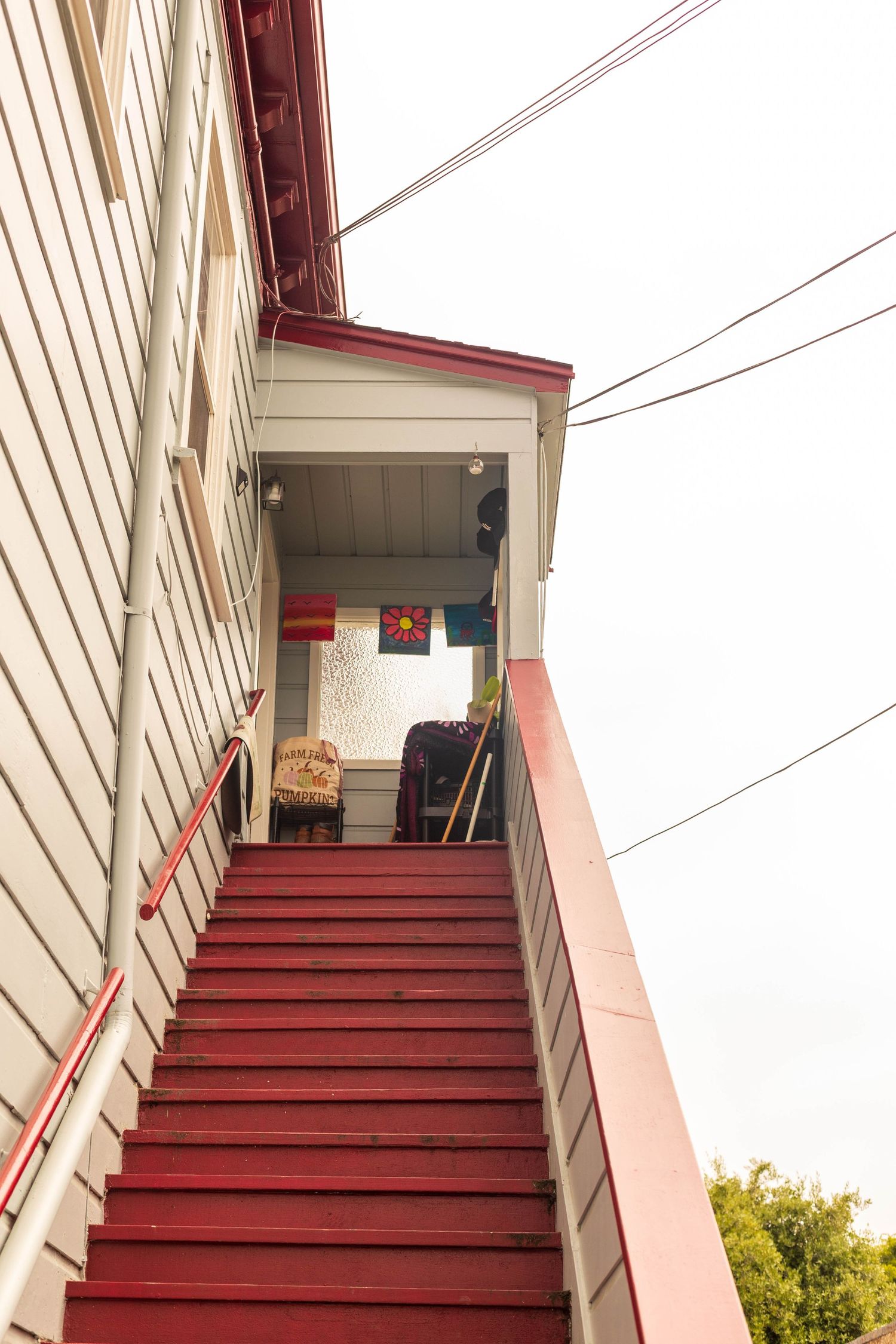
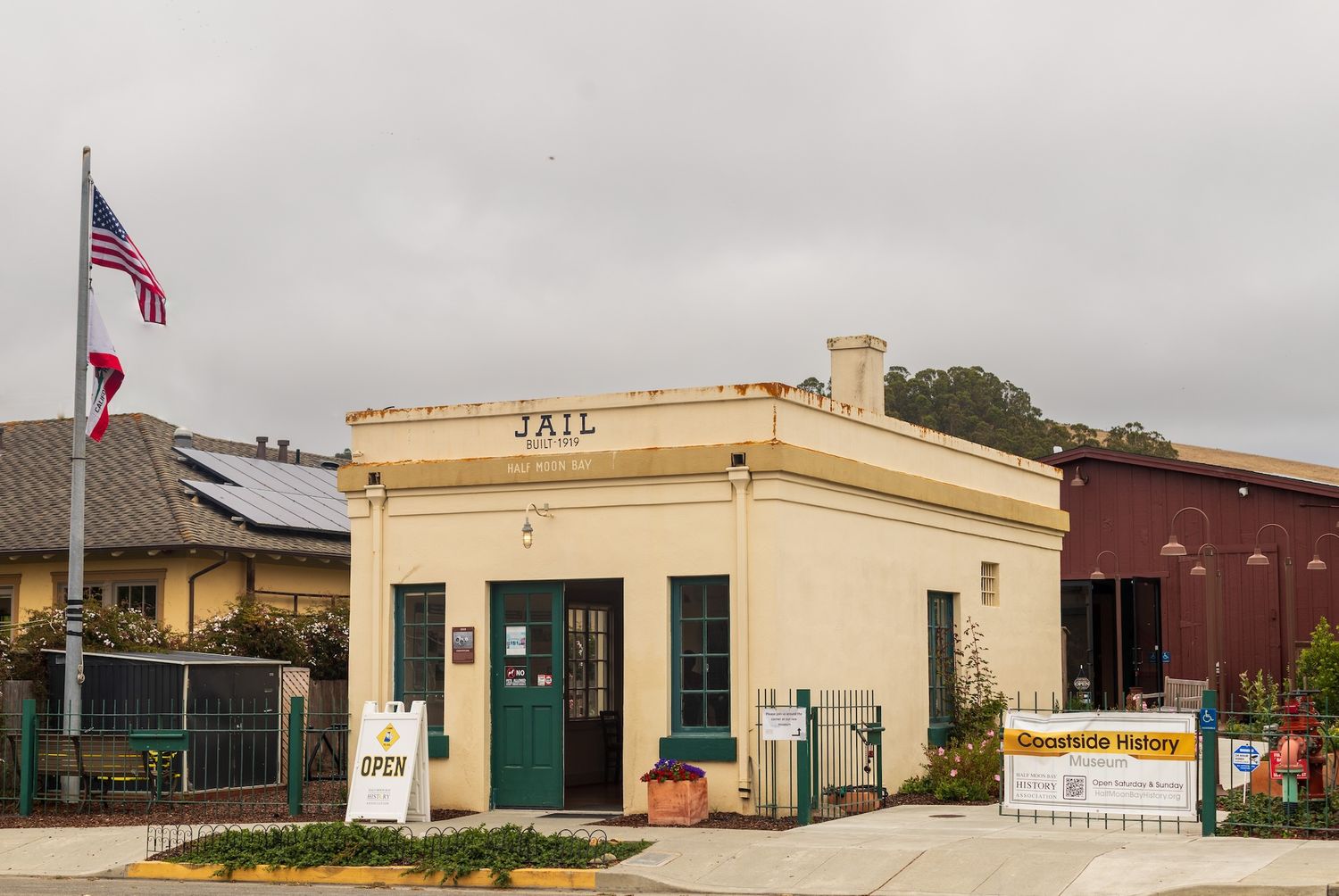
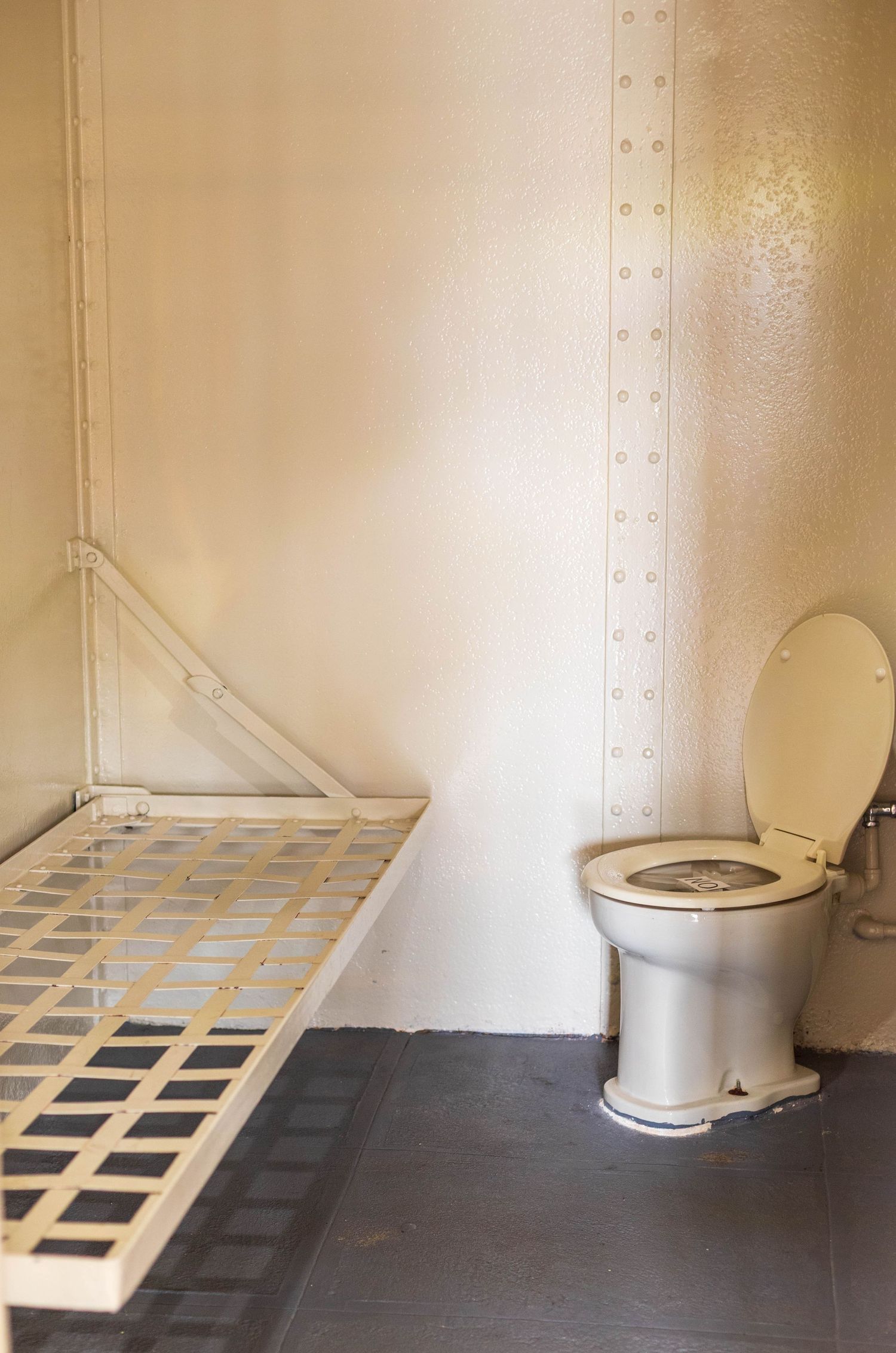
Two-Cell Old Jail (505 Johnston St.)
Two-Cell Old Jail (1919)
Built in 1919, this modest two-cell jail at 505 Johnston Street stands as a tangible piece of Half Moon Bay’s law enforcement history. Though small in size, it served as the town’s first official holding place—a quiet reminder of the community’s early efforts to maintain order and safety.
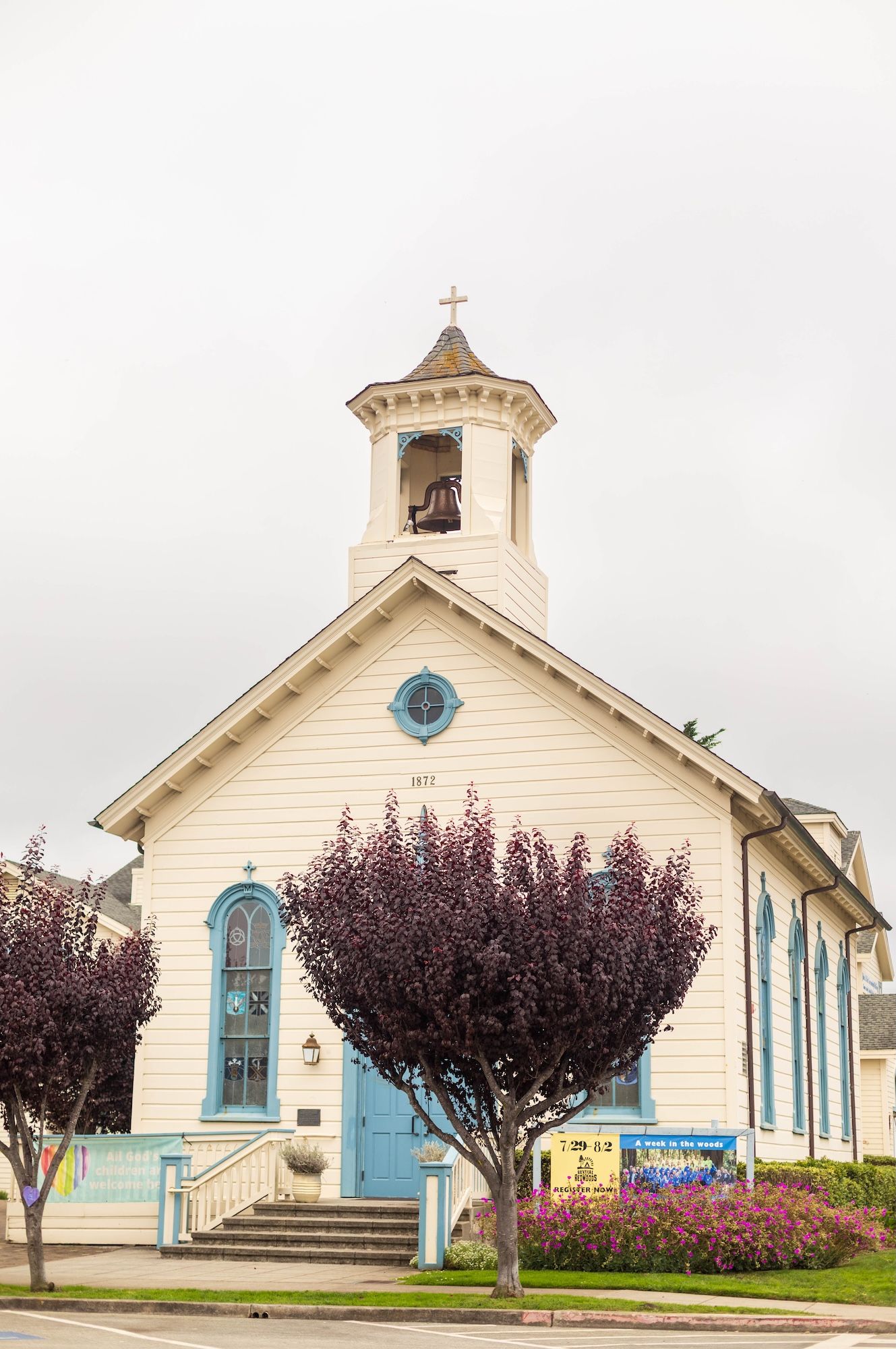
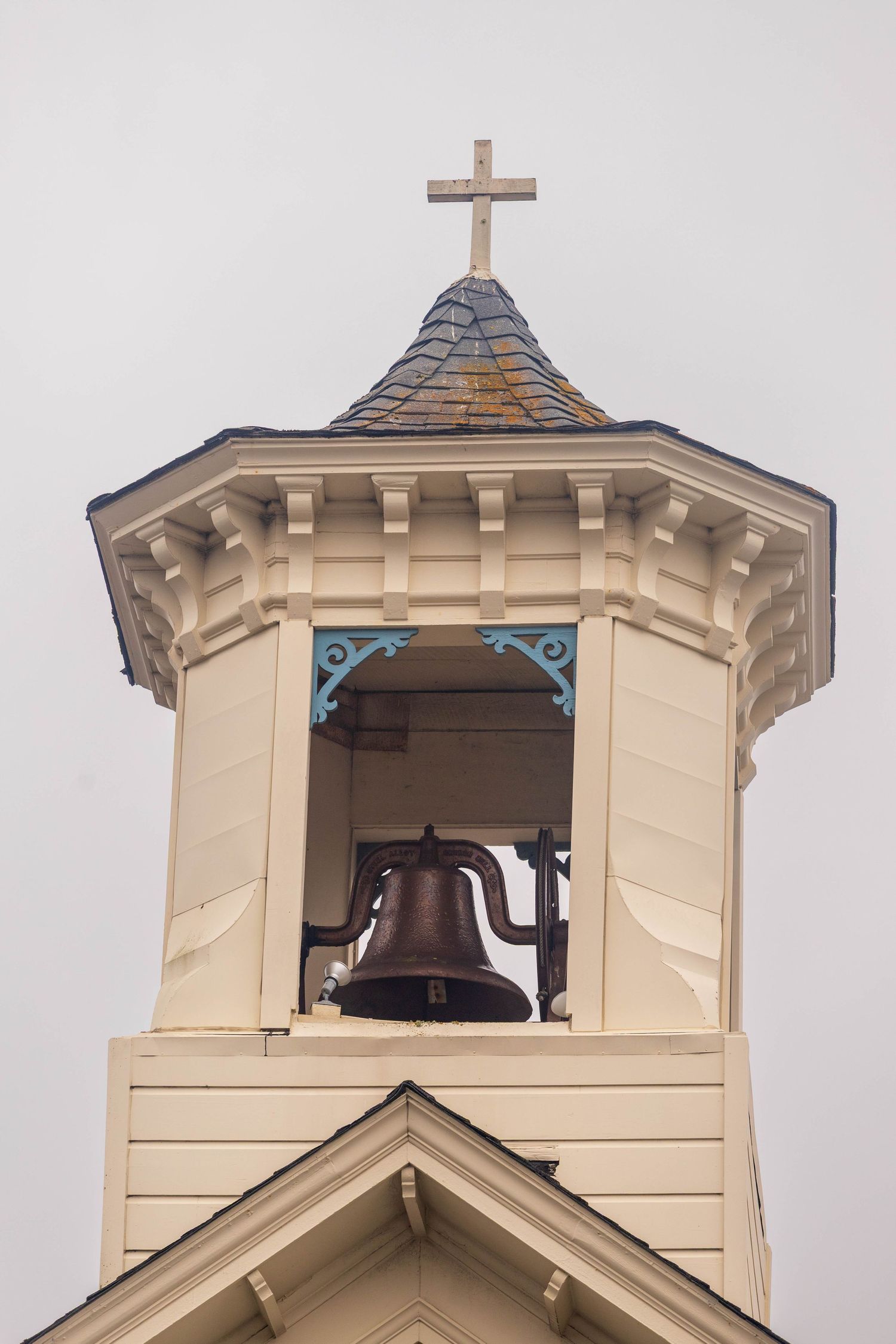
Community United Methodist Church (777 Miramontes St.)
At the northeast corner of Johnston and Miramontes Streets stands one of Half Moon Bay’s architectural gems. This Gothic Revival chapel, is one of the oldest Protestant churches in the Western United States. Since 1872, it has served as a spiritual and community anchor, its pointed arches and historic design reflecting the town’s rich cultural heritage.
Johnston Schoolhouse (665 Johnston St.)
Johnston Schoolhouse
Built by James and Petra Johnston, this historic schoolhouse served as one of Half Moon Bay’s earliest centers for education. A testament to the community’s commitment to learning, the building stands as a reminder of the town’s dedication to nurturing its future generations.
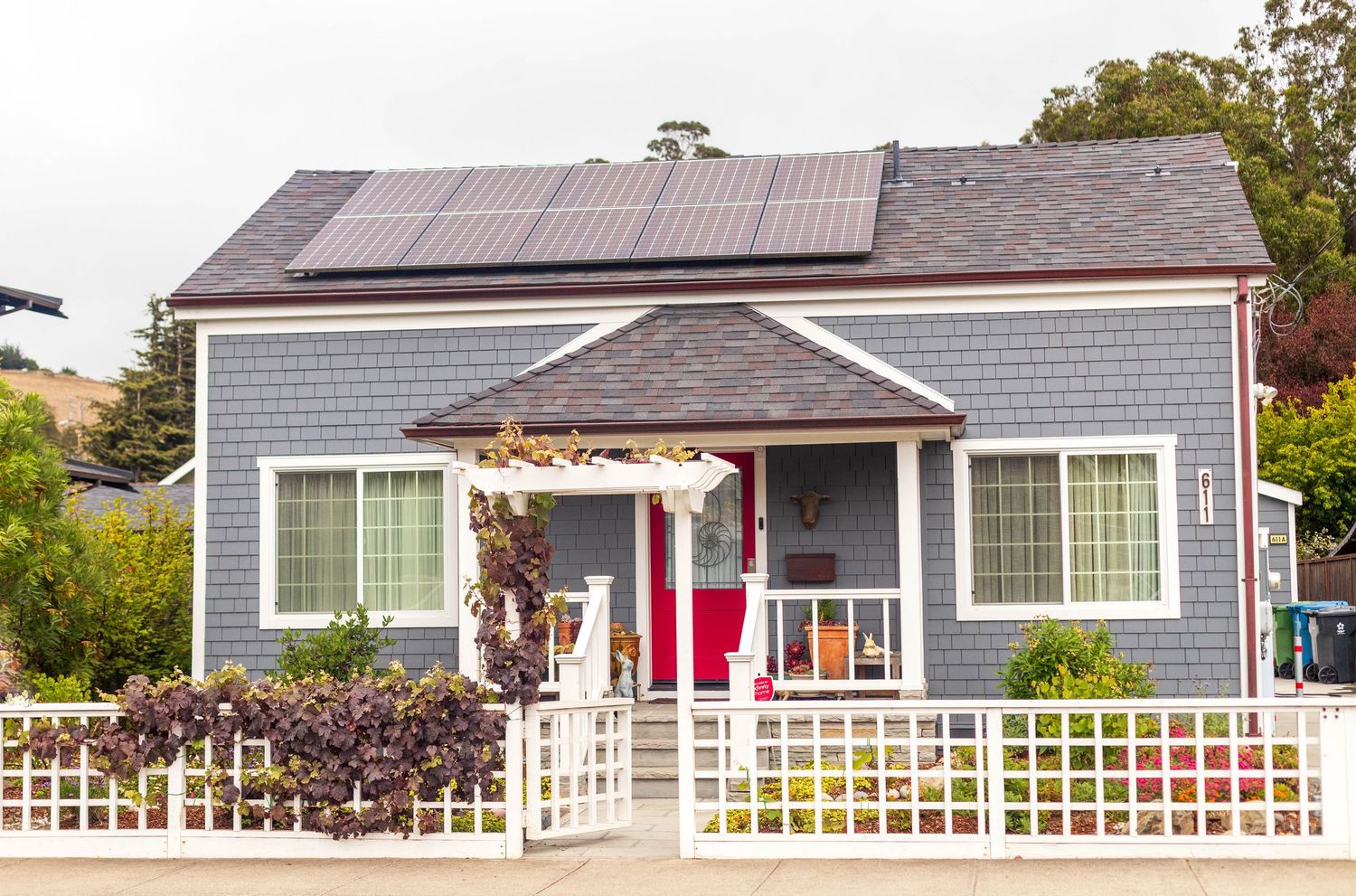
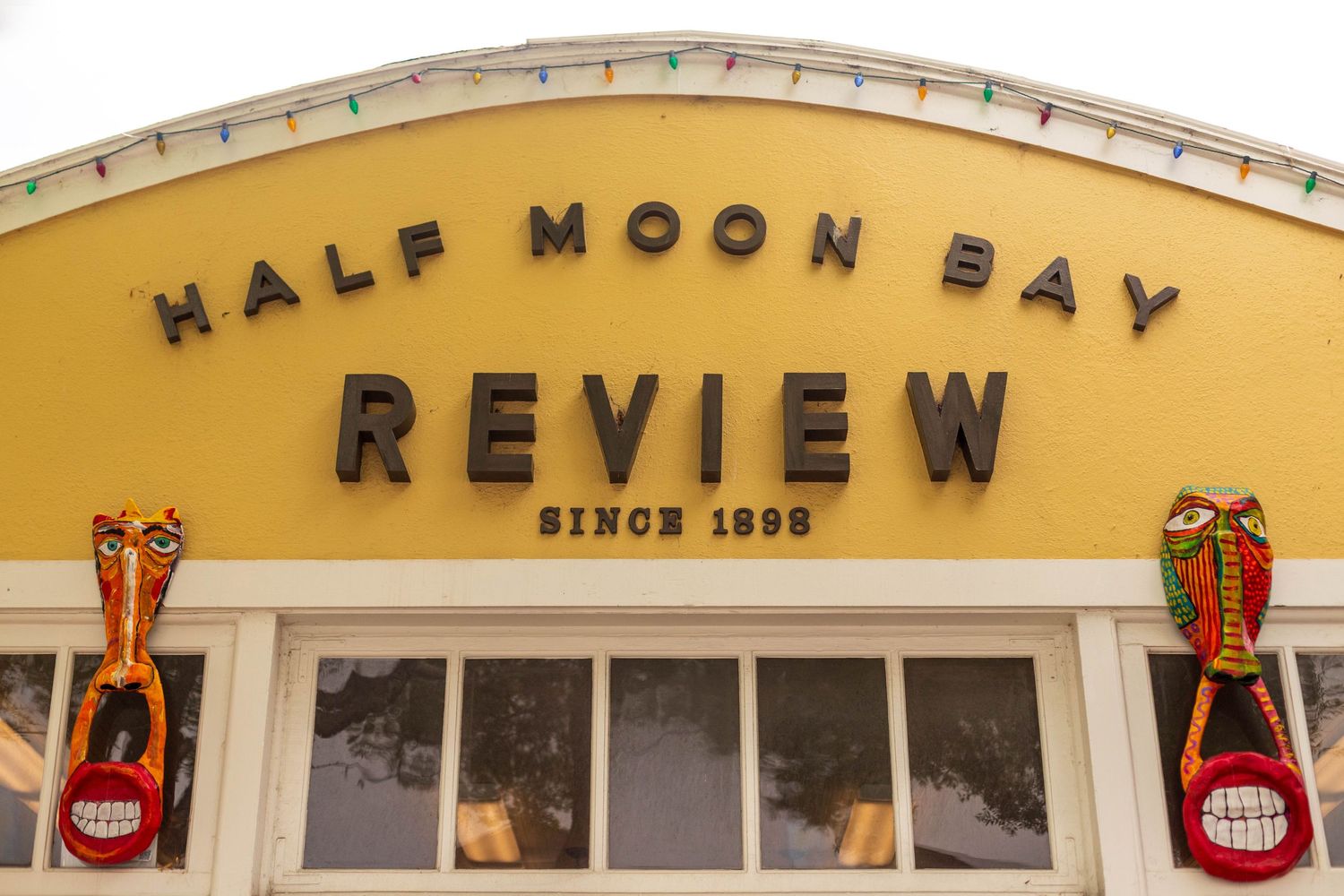
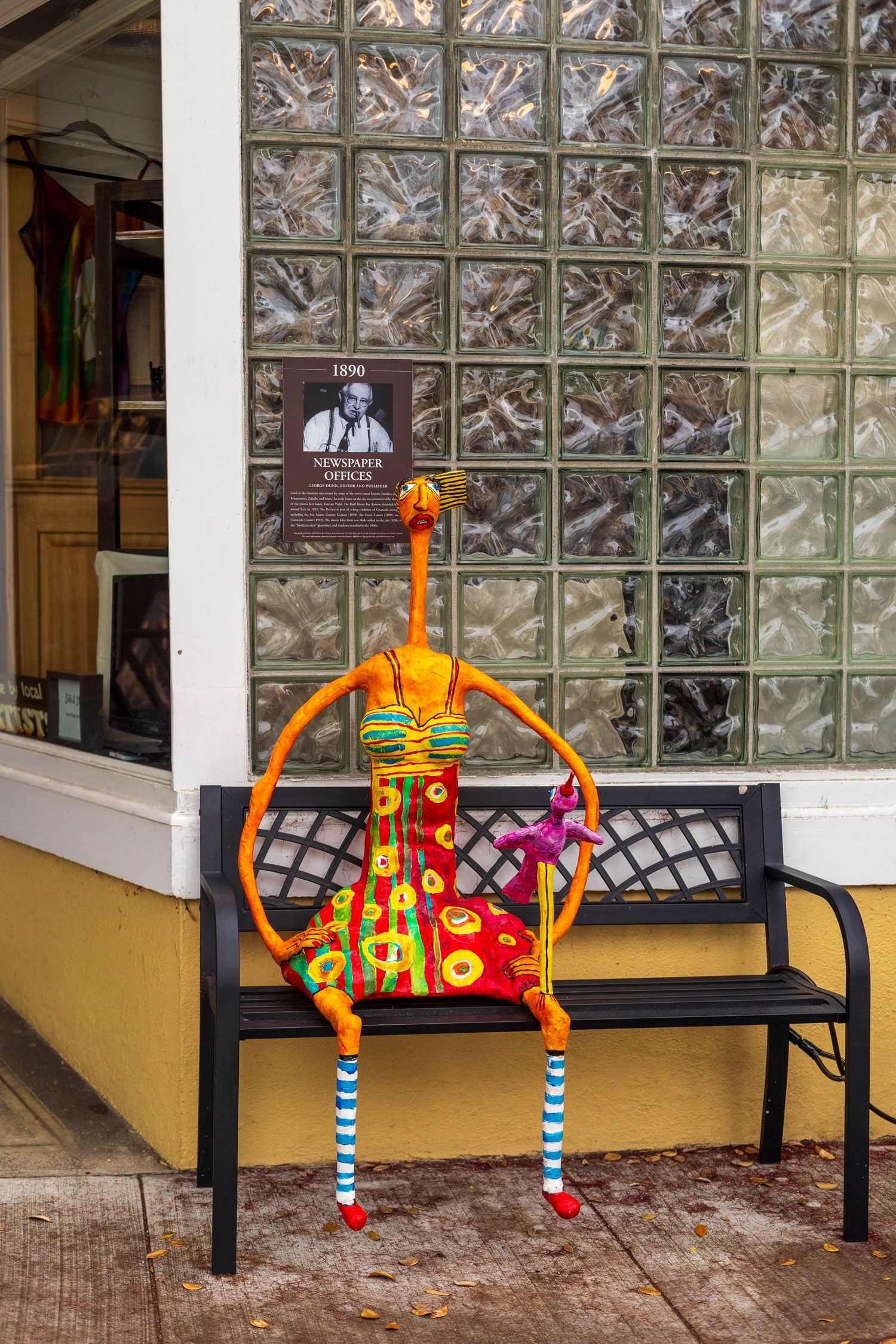
Half Moon Bay Review ( 714 Main St.)
Established in 1898 by Thomas W. Furlong, the Half Moon Bay Review has been the steadfast voice of the community for well over a century. This local newspaper has chronicled the evolving story of Half Moon Bay—from its early days as a small settlement through economic hardships and growth—preserving the town’s history, culture, and spirit in every issue. As one of the oldest continuously published papers on the Peninsula, the Review remains a vital record of the people and events that shaped this coastal town.